What R-Value Do You Actually Need at 7,000 Feet?
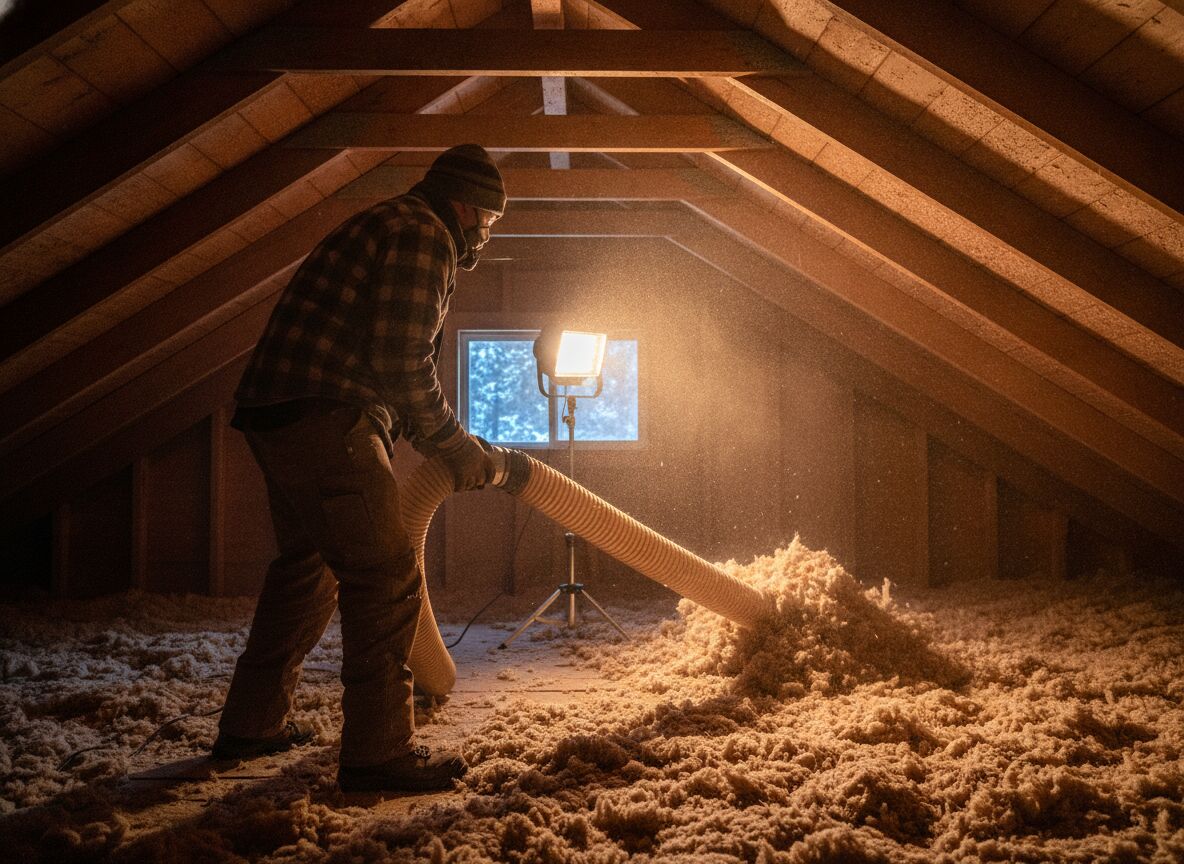
Search "how much attic insulation do I need" and most results are written for a national average climate — or worse, for a mild or desert climate that has almost nothing in common with a 6,500-7,200+ foot mountain town. Here's what actually applies here.
R-Value Basics
R-value measures a material's resistance to heat flow — higher numbers mean better insulating performance. The right target R-value depends on your climate zone, not a flat national number, which is exactly why generic online guides fall short for a property at this elevation.
Why Elevation Changes the Math
Higher elevation generally means colder average temperatures, more heating-degree-days per year, and real snow load — all of which push the recommended attic R-value higher than what you'd see for a lower-elevation or desert-Arizona home. A White Mountains home in this climate zone typically calls for a meaningfully higher attic R-value than the number most national guides default to.
It's Not Just the Attic
R-value targets differ by area of the home — attic, walls, and floors over unheated spaces each have their own recommended range. An attic insulation assessment looks at existing depth and material condition against the actual target for this climate zone, not a one-size-fits-all number.
How to Know What You Currently Have
Most homeowners have no idea what R-value their existing attic insulation provides — insulation compresses and settles over time, so a decade-old install may sit well below its original rating even without visible damage. A free on-site assessment is the most reliable way to find out where you actually stand.
Pinetop Insulation assesses homes against the R-value targets that actually apply to this elevation — reach out for a free estimate to see where your home currently stands.
Ready to lower your winter heating bills?
Free, no-obligation estimate — built for real White Mountains winters.